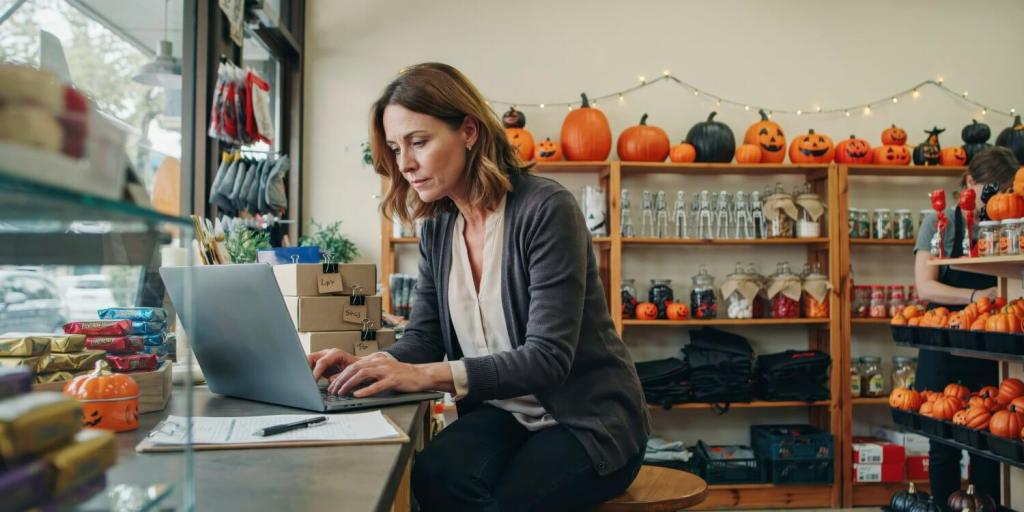

Halloween is good fun, and good for footfall. Costumed shoppers, a decorated storefront and a bit of seasonal festivity can bring in customers who might not otherwise walk through your door.
But while many small business owners plan the pumpkins and the playlist, far fewer plan for what happens if a customer trips over a cable, or if a costume contest turns into a liability claim.
Below, we’ve broken down eight risks that often slip past even careful business owners, along with what to check in your coverage before the night gets going.
Why does Halloween foot traffic create a bigger risk than usual?
More customers walking through your doors means more chances for someone to trip, slip or bump into something they shouldn’t. Decorations, extension leads and evening darkness usually makes things worse, not better.
A few fixes go a long way:
- Keep walkways, aisles and exits completely clear of decorations, boxes and trailing cables.
- Add extra lighting near entrances and parking lots, especially if you operate in an area where trick-or-treating pushes into the evening.
- Put down non-slip mats if rain is forecast.
Standard general liability insurance typically covers slip-and-fall accidents that happen during normal trading, meaning your normal business activities. If you’re adding anything outside your usual set-up, such as a costume contest, it’s worth double-checking with your insurer that you’re still covered.
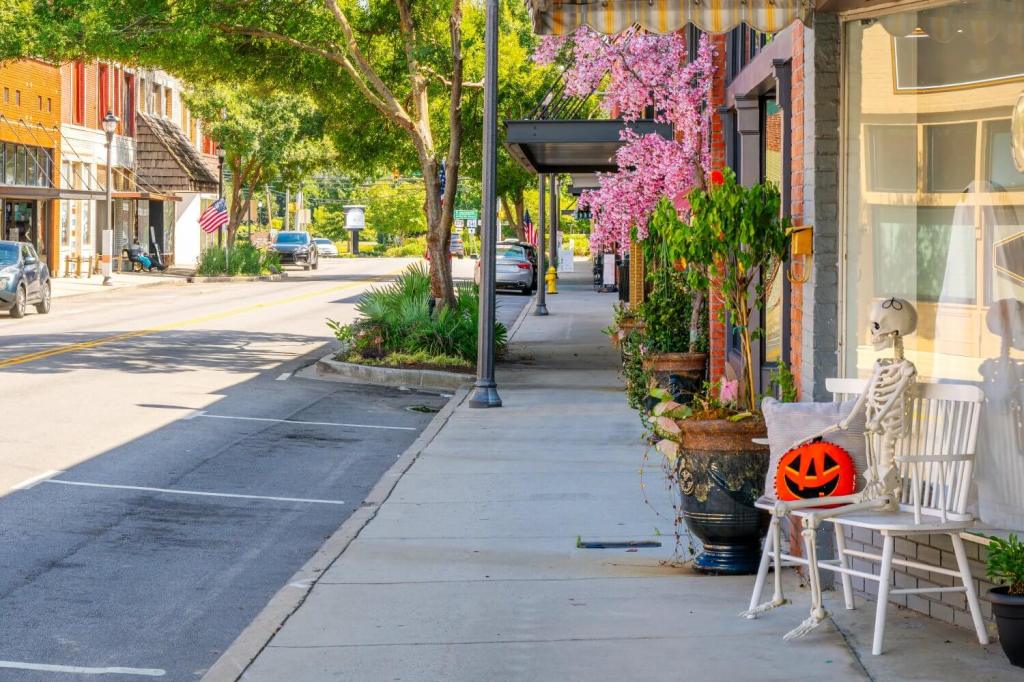
What decoration hazards catch business owners off guard?
Candles, fairy lights and fog machines set the mood, but they’re also common causes of Halloween fires. According to the National Fire Protection Association, decorations are involved in hundreds of fires every year.1
To cut the risk:
- Swap candles for battery-powered or LED lights inside pumpkins and displays.
- Avoid daisy-chaining extension leads or overloading a single socket.
- Keep a fire extinguisher accessible.
There’s also a regulatory detail worth flagging. The Occupational Safety and Health Administration limits temporary decorative wiring – including Halloween lighting – to 90 days of use under 29 CFR 1910.305. If your decorations tend to go up early and come down late, that’s one to keep in min
Are workplace costumes actually a safety issue?
If your team dresses up for the day, costumes deserve a second look before anyone clocks in. Masks that block peripheral vision, floor-length outfits and sharp props can all cause accidents on a normal shop floor.
A simple costume policy solves most of this:
- Set a rule against costumes that obstruct vision or movement.
- Discourage props with sharp edges or hard, heavy parts.
- Make sure costumes don’t interfere with or can get caught in machinery, tills or safety equipment.
It sounds minor, but a torn hem near a staircase or a mask that hides a trip hazard is exactly the kind of thing that leads to a claim.
Who’s liable if something goes wrong at your Halloween event?
Hosting a costume contest, a customer party or an after-hours event changes your risk profile. Your day-to-day general liability policy may be built around normal trading, but it may not cover a one-off gathering with extra guests and extra activity.
If you’re planning something outside your usual operations, special event insurance can cover the gap for the specific dates involved. It’s a straightforward way to make sure a single evening doesn’t leave the rest of your cover exposed.
Do you need liquor liability insurance for a Halloween party?
Serving alcohol, even just for one night, brings its own set of rules. If it’s a one-off occasion and alcohol isn’t part of your normal business, host liquor liability – which sometimes is built into a general liability policy – may respond to any claims that come up, according to IRMI.
If you sell alcohol as part of your regular business, that cover won’t stretch to fit. You’ll need standalone liquor liability insurance instead, because host liquor liability doesn’t typically extend to businesses that profit from alcohol sales.
How Should Businesses Handle Food Allergies During Halloween Events?
If your business hands out candy, treats, or snacks to customers or trick-or-treaters, food allergies are worth planning for, especially with young children involved.
A few simple precautions go a long way:
- Offer allergy-friendly options. Non-food treats like stickers or small toys are a safe alternative to candy.
- Label ingredients clearly if you’re serving any homemade treats.
- Keep a list of common allergens on hand (like nuts, dairy, or gluten) so staff can answer questions confidently.
The Teal Pumpkin Project, a national initiative, encourages businesses and households to display a teal pumpkin, signaling that non-food treats are available for children with allergies.
What Should Business Owners Know About Pets and Halloween Candy?
If your business is pet-friendly or located near foot traffic with dogs, Halloween candy poses a real hazard. Chocolate and candies containing xylitol are toxic to pets, and it’s easy for a dropped wrapper or bowl left within reach to cause a problem.
To keep pets safe:
- Keep candy out of reach, especially in areas where customers’ pets may wander.
- Train staff to spot the signs of pet distress, like vomiting or lethargy, if pets are welcomed on-site.
- Post a friendly reminder near your candy bowl asking customers to keep an eye on their pets.
Where do standard policies fall short at Halloween?
The theme running through all of this is the same: your everyday policy is built for everyday risk. Once you add events, alcohol, haunted attractions or unusual set-ups, gaps start to appear.
Common gaps include event-specific liability, alcohol sales outside host liquor liability, and haunted house or attraction risk that sits above your standard limits. None of these are unusual to have, but they’re easy to miss if you haven’t looked closely at your policy since you first took it out.
How can you check you’re covered before the big night?
A short review now can save a long conversation with your insurer later. Before Halloween arrives, it’s worth:
- Confirming your general liability policy covers customer and trick-or-treater injuries on your premises.
- Checking that decorations, lighting or a planned event won’t affect your property coverage.
- Calling your insurer if you’re hosting anything outside your normal operations, serving alcohol, or running a haunted attraction.
Frequently asked questions about Halloween business risk
Yes, but typically only for normal operations. Standard general liability insurance typically covers common Halloween accidents, such as a customer slipping on a wet floor, in the same way it would on any other trading day. It’s worth checking that decorations or any planned event don’t sit outside your normal cover.
Cost depends on your event size, guest numbers, whether alcohol is served, and the type of activity involved. A small in-store contest will cost far less to cover than a ticketed haunted house attraction, so it’s best to get a specific quote for your event rather than assume a flat rate.
Fire hazards from candles, string lights and overloaded sockets are one of the most underestimated risks, alongside slip-and-falls caused by crowds and low lighting. Both are cheap to prevent but expensive to deal with after the fact.
Yes. A decorated storefront, a small candy station, or a simple costume day for staff carry far less liability exposure than a ticketed party or haunted house, while still giving customers a bit of seasonal fun.
Any small business that plans to decorate, host an event, serve alcohol, or welcome extra foot traffic should take a look at their cover beforehand. This includes retail shops, cafés, salons and any business expecting trick-or-treaters near their premises.