General Contractor Insurance Cost & Coverage Guide for 2026
Try our insurance calculator.
Get a quick estimate in just 3 steps. No email required.


Insuring over 1 million small business owners worldwide.


Buy instantly online. No junk mail. No spam calls.
Insuring over 1 million small businesses worldwide.
Buy instantly online. No junk mail. No spam calls.

Written by
General Contractor Insurance Cost
As a general contractor, you’re the master of the job site, coordinating everything from foundation to finish. But with great responsibility comes great risk. A subcontractor’s mistake, an employee injury, or stolen materials can lead to thousands of dollars in unexpected costs. General contractor insurance is your financial safety net, protecting your business so one setback doesn’t bring your entire operation to a halt.
For the purposes of this article, “General Contractor’s Insurance” is not a single product, but refers to one or a combination of insurance policies, such as Commercial General Liability, that a general contractor typically needs.
This guide will break down the essential insurance coverages for general contractors, what they typically cost, and how you can get the right protection for your business. We’ve got you covered.
On this page
Find the information you need quickly
General Contractor Insurance
From jobsite accidents to stolen tools and legal headaches, even a small setback can shake the foundation of your business. That’s where general contractor insurance comes in — helping you stay covered so you can keep building your business. General contractor insurance is a suite of policies designed to protect your business from the financial consequences of on-the-job accidents, property damage, employee injuries, and lawsuits. Without the right coverage, you could be personally liable for expensive legal fees, medical bills, and repair costs. Many clients and commercial projects will also require you to show proof of insurance before you can even bid on a job.
How Much Does Contractor Insurance Cost?
The cost of general contractor insurance varies, but most GCs pay a median price of $103 per month, or about $1,236 per year, for a policy package. Your final premium will depend on several factors, including your location, number of employees, the total value of the projects you manage, and your claims history.
Here’s a look at the median costs1 for the most common policies general contractors purchase.
| Insurance Policy | Median Monthly Cost | Median Annual Cost |
| General Liability | $82 | $984 |
| Workers’ Compensation | $132 | $1,584 |
| Tools & Equipment | $37 | $444 |
1Data from Simply Business customers specializing as a “general contractor” who purchased at least one or a combination of general liability, tools and equipment, or workers’ compensation policies from July 1, 2025 to December 31, 2025. Reflected price tiers may not include purchase of all available policies under general contractor insurance.
What Insurance Does a General Contractor Need?
Whether you’re a solo operator just starting out or a seasoned pro with a growing crew, we can help you find personalized coverage to fit your needs and budget, and protect you from common job site risks.
Here are some of the common coverage options general contractor business owners typically consider:

General Liability
General liability (GL) typically covers expenses if your company causes someone other than an employee to be hurt or if your company causes property damage. It’s a foundational business insurance coverage to help handle costs from third-party accidents, property damage, and bodily injury.
Why You Need It:
A framing subcontractor you hired fails to properly secure a wall, which later falls and damages the client’s neighboring property. Your general liability policy can cover the cost to repair the damage.
Starting at
$68.75
/month*

Workers’ Compensation
If you have employees — even just one apprentice — most states require you to carry workers’ compensation. This policy covers medical bills and lost wages for employees who get injured or become ill on the job.
Why You Need It:
An employee on your crew falls from scaffolding and breaks their leg, requiring surgery and months of recovery. Workers’ comp can cover their medical expenses and a portion of their lost wages.
Starting at
$38.91
/month*

Inland Marine
Your tools and equipment are vital to your operations. Inland marine insurance, sometimes called “tools and equipment coverage,” allows you to quickly repair or replace your business equipment, reducing downtime and helping you land new work. An inland marine policy also usually covers tools and equipment that you rent or lease – called contractor’s equipment floater.
Why You Need It:
Thieves break into your secured job site overnight and steal thousands of dollars’ worth of power tools and a generator. This coverage can help pay to replace them, so you can keep your project on schedule.
Starting at
$20.83
/month‡
Get quotes for your
general contractor insurance today.
Simply Business provides customized coverage options from top-rated small business insurers — all in just 10 minutes. We do all the leg work so you can sit back, compare quotes, and save.
Business Insurance Made Better — A one-minute explanation
Learn how we’re making finding business insurance fast, easy, and affordable — all in just 60 seconds.
Hi there, we’re Simply Business, and small business insurance is what we do. We work with top insurers who specialize in small business coverage—no one-size-fits-all solutions here. We’ve worked with thousands of business owners like you, so we have a good idea of what different businesses need. We get it: you do one web search, and the results can be overwhelming, and not in a good way. We can save you from that. We’re ready when you are. It takes just a few minutes online—enter some information about your business, and some pretty cool technology shops for great coverage at competitive prices in just seconds. You choose and purchase the coverage that works for you. Not to worry, we’ve got licensed insurance pros to help you over the phone. Then we zip your Certificate of Insurance and other policy documents straight to your inbox. That’s how easy it is to insure your business with Simply Business.
Frequently Asked Questions (FAQs)
Typically, the subcontractor’s own workers’ compensation policy should cover their employee’s injury. This is why it is critical to require all subcontractors to provide you with a certificate of insurance proving they have their own coverage before they start work. If they don’t have it, you could be held liable.
Clients ask for a certificate of insurance (COI) to protect themselves. It proves you have the financial backing to cover any accidents or property damage your work might cause, ensuring they won’t be left with the bill for your mistake.
Yes. Your general liability policy’s “completed operations” coverage is designed for this scenario. If a sub’s faulty plumbing work causes a leak a month after the homeowners move in, your policy can help cover the resulting water damage.
It depends on the policy. Your Tools & Equipment policy typically does not cover building materials. However, a Builder’s Risk policy is specifically designed to cover theft of or damage to materials stored on a job site before they are installed.
Yes — insurance premiums are usually considered a business expense. But always check with your accountant to be certain.
Yes, absolutely. The size, scope, and total value of your projects are major factors in determining your insurance premium. Managing larger, more expensive projects involves greater risk, which leads to a higher insurance cost.

Why Small Businesses Choose Simply Business
Small business insurance is what we do. Whether it’s covering you for accidents and errors, meeting workers’ comp requirements, or financially protecting your business from the unexpected, we can help find the coverage you need for your business.

Start your quote
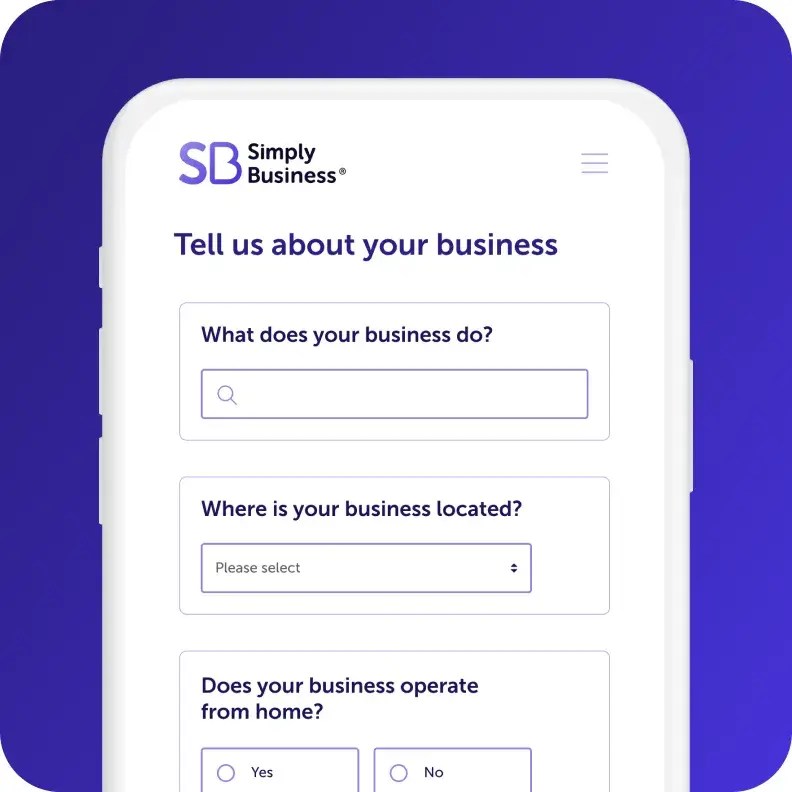
Answer a few questions about
your business in one form.

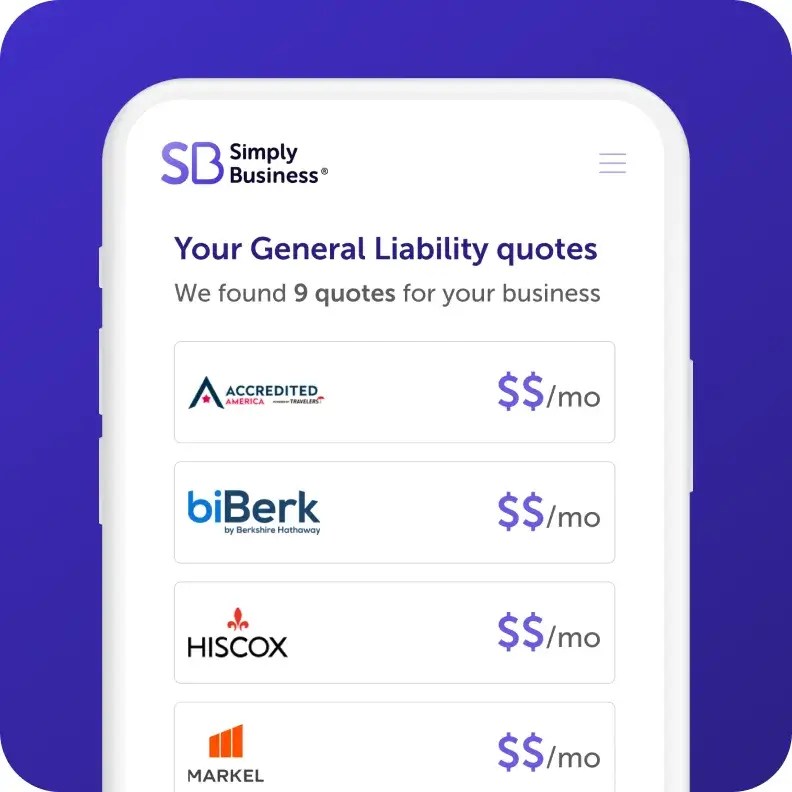
Review quotes
Compare quotes side by side from top-rated insurers and customize your coverage.

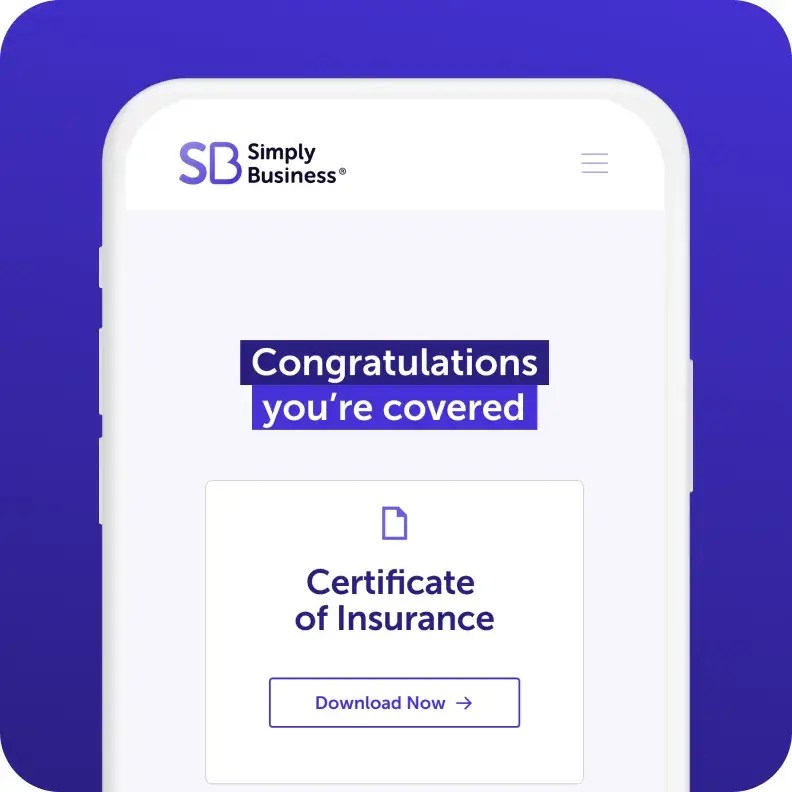
Get protected in minutes
Choose your policy, and get instant proof of insurance – all online, and all within 10 minutes.
Our +1 million customers are big fans. And you will be too.

I went online, looked around, and found Simply Business. The process was so seamless. I got my certificate within minutes. It was just phenomenal.

Karen
Owner of Tangaza Bath & Body Studio LLC
With Simply Business I know I can look at different carriers, but also see all my stuff in the same place… a lot of [insurance] providers don’t offer a variety of coverage, all in one place.

Jef
Owner of Bunker83 LLC
It wasn’t overwhelming to figure out what was covered and what wasn’t covered. And the cost was competitive.

Kim
Owner of Room to Breathe Professional Organizing

Written by
Feel confident in your choice.
We partner with a range of top-rated carriers and use smart technology to match you with policies that fit your specific business, your risks, and budget.

400+
business types covered

1M+
customers worldwide

18
top-rated carriers



We’ve Got More Helpful Information


*The displayed price for each product is a monthly estimate calculated from the 10th percentile of relevant policies sold by Simply Business (e.g., General Liability data is used for General Liability estimates). This estimate uses data from relevant policy sales between July–December 2025. Final price and payment terms, which may include an initial down payment, are subject to change based on your state, selected insurance provider, and specific business details.
‡ Displayed price is based on the lowest available coverage limit for Equipment and Small Tools policies.
Page last updated: