Craft vendor insurance
One application, multiple quotes. All in one place.
Essential Protection
From
$17.08
/month*
Can help cover claims of accidental injury, like a customer getting hurt by a product you sold or tripping on a table inside your booth at a busy craft fair.
What’s included:
General Liability
Coverage limits: $100K to $2M†

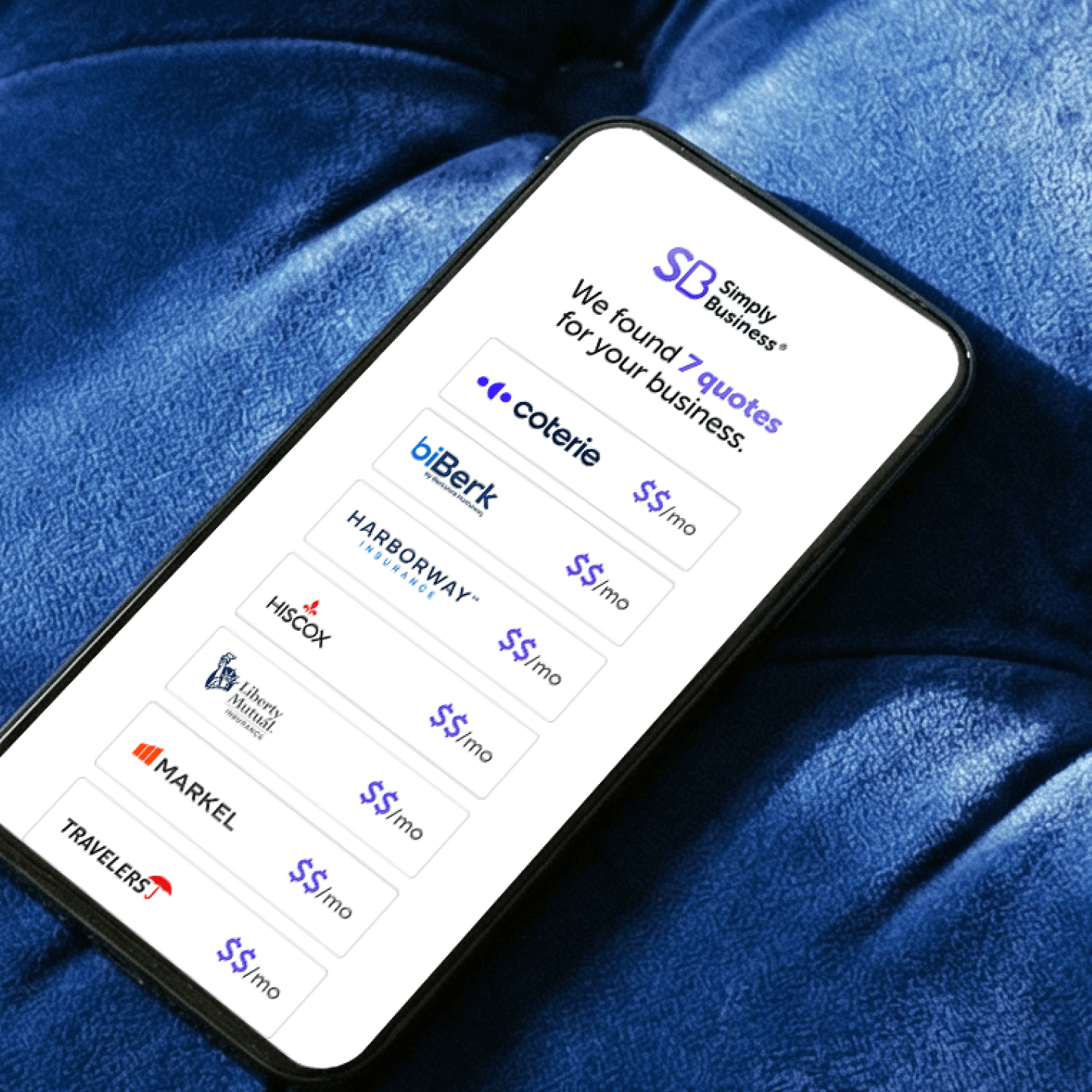
Get multiple quotes in less than 10 mins
Essential Protection
From
$17.08
/month*
Can help cover claims of accidental injury, like a customer getting hurt by a product you sold or tripping on a table inside your booth at a busy craft fair.
What’s included:
General Liability
Coverage limits: $100K to $2M†
Get multiple quotes in less than 10 mins
Would you rather pick and choose your coverage? Explore all options
Over 1 million customers worldwide.


Buy instantly online.

Written by
Why Does a Craft Vendor Need Insurance?
From the workbench or kitchen to the farmers’ market or craft fair, everything you sell is made with love. But whether you’re pouring candles for a holiday market, showcasing jewelry at an art show, or serving food at a county fair—a lot can go sideways between setup and teardown. Craft vendor insurance helps ensure one bad day doesn’t shut down the business you’ve built by hand.
Below are some of the most common types of insurance policies that craft vendors carry to stay protected.
What Type of Craft Vendor Insurance Do I Need?

General Liability
A foundational insurance coverage to help handle costs from third-party accidents, property damage, and bodily injury.
From
$17.08
/month*

Equipment and Business Property
Also known as inland marine insurance, this coverage can financially protect equipment and inventory that’s in transport or stored offsite.
From
$20.83
/month‡

Business Owner’s Policy (BOP)
General liability, property insurance, and more all in one convenient package.
From
$33.75
/month*

Workers’ Comp
Coverage to help take care of employees who get sick or injured on the job. Most states require this coverage for small businesses with full- or part-time employees. It also can benefit business owners who don’t have employees.
From
$38.91
/month*
Business insurance —
a quick explainer
Learn more about policies for small businesses, what they cover, why you might need them, and how we can help – all in just 60 seconds.
Business insurance is often made up of different types of policies to cover different things, similar to how your health insurance can be made up of medical dental and vision coverage. Here are some of the ones small business owners need. General liability is kind of the Swiss army knife of insurance. It can do a lot, like help handle costs from third party accidents, property damage, bodily injury, and more. Nobody’s perfect, right? That’s what professional liability is for. It could come in handy in the event of honest mistakes or claims of negligence. Workers’ comp can protect your business and help take care of employees who get sick or injured on the job. Small businesses are big targets for cyber criminals. Cyber Insurance can help cover costs associated with stolen customer data, cyber attacks, breaches, and fraud. BOP or a business owners policy combines different types of coverages like general liability and commercial property insurance. Putting them together for you is where we come in. You tell us a bit about your business online or on the phone, and we customize the coverage options for what you do and what you need. It’s your business, it should be your insurance as well. That’s why we’re here.
What Does Craft Vendor Insurance Cover?
Handmade soaps at a farmers’ market, ceramics at a pop-up shop, custom textiles at a street fair—no matter what you make or where you sell it, working live events means managing a lot of risk in a small space. Here’s how craft vendor insurance helps protect your business from these common risks:

A local boutique owner visits your workshop to view your latest collection before placing a wholesale order. While browsing your studio, they slip on a slick patch of floor near your workstation and injure their shoulder. Fortunately, a general liability policy could help cover the cost of medical expenses and help protect you from other third-party damage or injury claims.

Weeks before the holiday market season, a break-in at your workshop damages your equipment and wipes out your raw materials and inventory. A Business Owner’s Policy (BOP) typically bundles general liability, commercial property protection, and business interruption coverage to help pay for damages, repairs, stolen inventory, and lost income while your workshop is being restored so you can get back to work quickly.
Many craft vendors choose a BOP because it offers more protection than a stand-alone general liability policy without costing much more — a great option if you’re established or planning to grow.

While loading heavy boxes of ceramic inventory for a weekend market, your assistant throws out their back and needs medical care. Workers’ compensation insurance can help cover their medical bills and provide wage replacement for a portion of their salary as they recover.
Workers’ compensation is often legally required and can protect your business from costly claims, as well as taking care of your crew if they get sick or injured on the job. Even if you operate solo, we recommend workers’ comp insurance, because many health insurance policies don’t cover work-related injuries.

How Much Does Craft Vendor Insurance Cost?
Try our insurance calculator.
Get a quick estimate in just 3 steps.

Answers to More Craft Vendor Insurance Coverage Questions
Craft vendor insurance is a collection of policies craft vendors often buy that can help protect your business, your inventory, and your livelihood—whether you sell at a handful of events or vendor full-time.
Many farmers’ markets, craft fairs, and festival organizers require proof of insurance before you can set up a booth. Even when it’s not required, craft vendor insurance can help protect your business from unexpected claims.
Some insurers offer short-term or per-event policies for vendors who sell only at a few events each year. However, if you vend regularly, an annual policy can be more cost-effective—and it keeps you covered between events for claims that may come in after the sale.
COIs for most insurance policies are available as soon as you purchase your policy. Once available, Simply Business provides instant access to a digital certificate of insurance through your online account any time of the day, so if a show organizer asks for proof of coverage the night before an event, you’re covered. You also can add an “Additional Insured” — which many event organizers require — to your certificate.
General liability insurance typically includes coverage for claims of bodily injury or property damage caused by products you make and sell. However, some policies may exclude certain product categories or require additional endorsements, particularly for consumable goods such as food or skincare. If you sell those types of products, ask your licensed agent or insurer whether they’re covered and if cottage food laws in your state affect your coverage requirements.
The median monthly costs for craft vendor insurance is $20 for general liability, $50 for business owner’s policy (BOP), and $101 for workers’ compensation, based on Simply Business craft vendors who purchased policies from July 1, 2025 to December 31, 2025. The cost depends on, among several other factors, your coverage needs, the types of products you sell, and how often you vend. Try our craft vendor insurance calculator to get a free estimate.
The cost for your insurance coverage is often determined by several factors, such as:
- The type of products you make and sell
- Where your business is located
- Your annual revenue
- The number and type of events you attend
- The types of policies and limits you choose
Other factors can include your claims history and how long you’ve been in business.
A few things to pay attention to:
- Is your policy “occurrence” or “claims-made”? Most craft policies are “occurrence” based — offering coverage for incidents that happen during your policy period.
- Is your booth equipment covered at replacement cost or actual cash value?
- Does your coverage extend to inventory and equipment in transit or only at your workspace?
- Are ingestible or topical products, such as food or soaps, covered, or are they excluded?
- Can you add event organizers as additional insureds, and what is the process to do so?
Having this clarity upfront can save headaches at claim time.

Why Small Businesses Choose Simply Business
Small business insurance is what we do. Whether it’s covering you for accidents and errors, meeting workers’ comp requirements, or financially protecting your business from the unexpected, we can help find the coverage you need for your business.

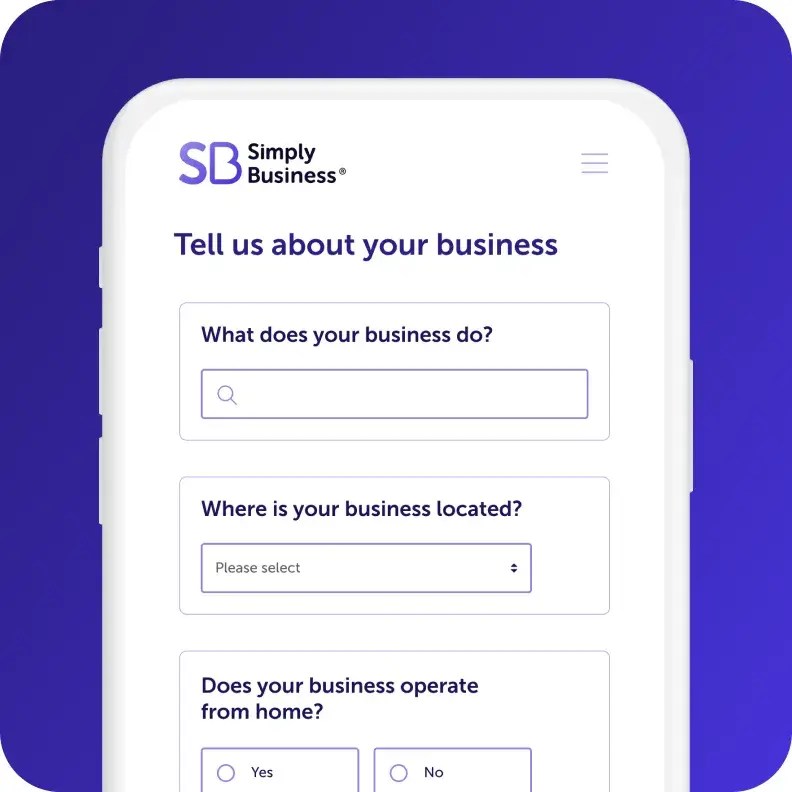
Start your quote
Answer a few questions about
your business in one form.

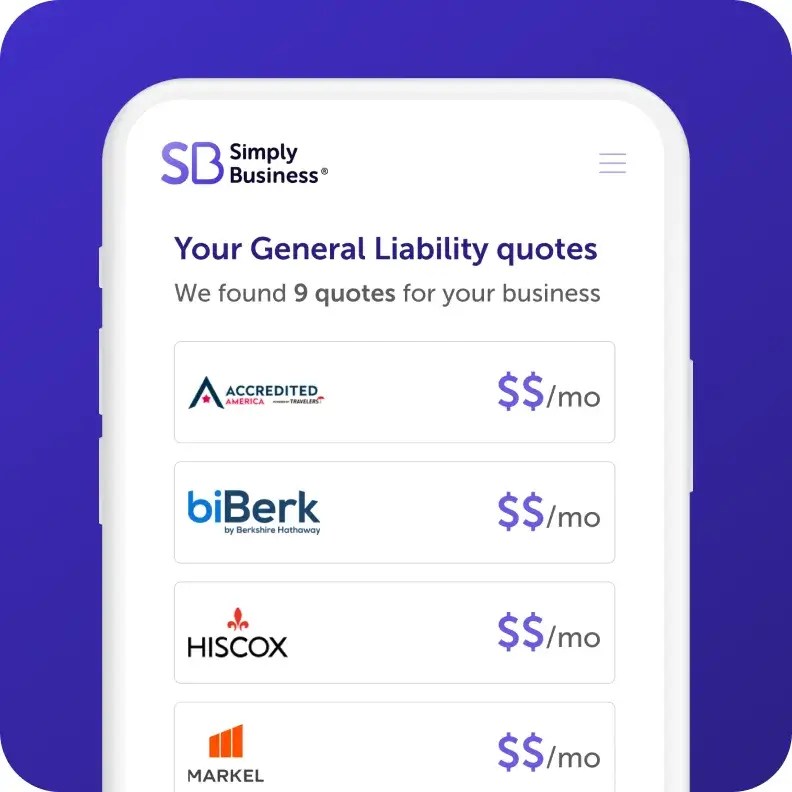
Review quotes
Compare quotes side by side from top-rated insurers and customize your coverage.

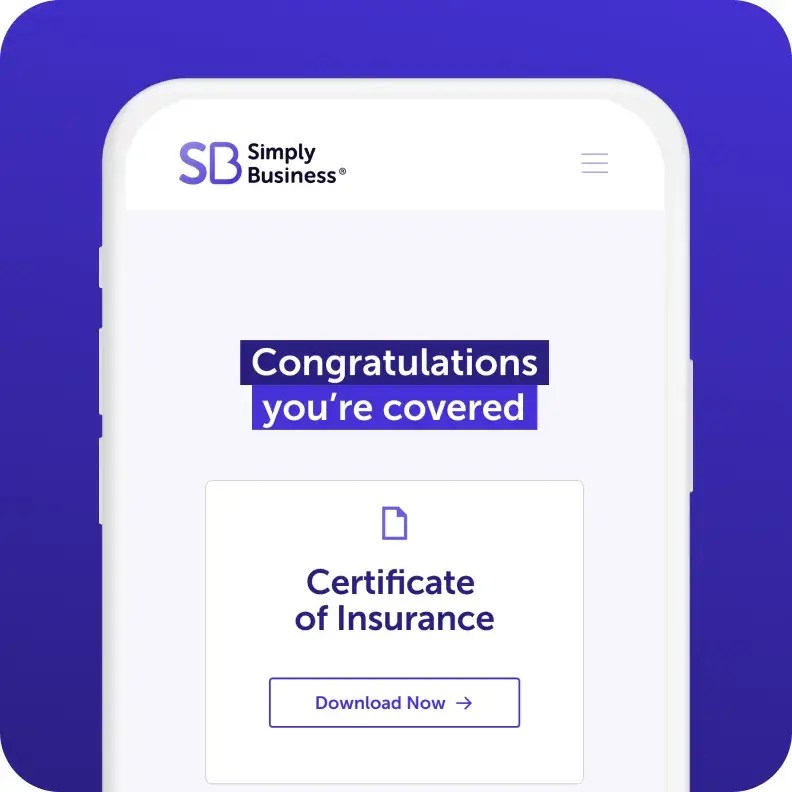
Get protected in minutes
Choose your policy, and get instant proof of insurance – all online, and all within 10 minutes.

Written by
Our +1 million customers are big fans. And you will be too.

I went online, looked around, and found Simply Business. The process was so seamless. I got my certificate within minutes. It was just phenomenal.

Karen
Owner of Tangaza Bath & Body Studio LLC
With Simply Business I know I can look at different carriers, but also see all my stuff in the same place… a lot of [insurance] providers don’t offer a variety of coverage, all in one place.

Jef
Owner of Bunker83 LLC
It wasn’t overwhelming to figure out what was covered and what wasn’t covered. And the cost was competitive.

Kim
Owner of Room to Breathe Professional Organizing
Feel confident in your choice.
We partner with a range of top-rated carriers and use smart technology to match you with policies that fit your specific business, your risks, and budget.

400+
business types covered

1M+
customers worldwide

18
top-rated carriers

We’ve Got More Helpful Information

5-minute read
Simply Driven: Jef Lippiatt, Bunker83

*The displayed price for each product is a monthly estimate calculated from the 10th percentile of relevant policies sold by Simply Business (e.g., General Liability data is used for General Liability estimates). This estimate uses data from relevant policy sales between July–December 2025. Final price and payment terms, which may include an initial down payment, are subject to change based on your state, selected insurance provider, and specific business details.
† Limits may vary by state and nature of your business.
‡ Displayed price is based on the lowest available coverage limit for Equipment and Small Tools policies.
Page last updated: