Debris removal insurance
One application, multiple quotes.
All in one place.
Essential Protection
From
$20.75
/month*
Could help cover claims against your business for property damage and injuries to others.
What’s included:
General Liability
Coverage limits: $1M to $2M†

Get multiple quotes in less than 10 mins
Essential Protection
From
$20.75
/month*
Could help cover claims against your business for property damage and injuries to others.
What’s included:
General Liability
Coverage limits: $1M to $2M†
Get multiple quotes in less than 10 mins
Would you rather pick and choose your coverage? Explore all options
Over 1 million customers worldwide.


Buy instantly online.

Written by
Debris Removal Insurance for Small Businesses & Contractors
Debris removal is hard, physical work with long days. Whether you’re cleaning damage from a storm, removing fallen trees, or hauling away construction materials, you know exactly how to get the job done safely and efficiently. Understanding how to protect your small business with debris removal insurance may be less familiar.
Simply Business can help you understand what types of coverage your debris removal business may need. With many policy options, you can get protection against common risks, giving you the time to confidently focus on what really matters: your crew, your customers, and getting the next job.
What Insurance Does a Debris Removal Business Need?
Insurance policies help protect your debris removal business from the financial impact of unexpected risks while helping you meet contractual requirements and regulations.
A debris removal business faces a range of risks, from employees getting hurt on the job to potentially damaging a client’s property, commercial vehicle accidents, and damage to expensive equipment.
The type of coverage you need depends on the type of debris you remove and the services you provide. You may need some combination of the following policies:
- General Liability
- Inland Marine (tools & equipment)
- Workers’ Compensation
- Commercial Auto Insurance (dump trucks & trailers) (Note: Simply Business doesn’t currently offer Commercial Auto)
- Commercial Pollution Liability (hazardous materials) (Note: Simply Business doesn’t currently offer this type of coverage)
- Professional Liability (optional)
Many debris removal businesses find that a commercial package policy for debris removal insurance fits many owner’s needs as it combines general liability, commercial property, and commercial auto insurance in one policy. A business owners policy (BOP) is another option for debris removal businesses, as it bundles general liability, commercial property and business interruption insurance.

General Liability
A foundational insurance coverage to help handle costs from third-party accidents, property damage, and bodily injury.
From
$20.75
/month*

Workers’ Comp
Coverage to help take care of employees who get sick or injured on the job. Most states require this coverage for small businesses with full- or part-time employees. It also can benefit business owners who don’t have employees.
From
$38.91
/month*

Contractor’s Equipment and Small Tools Insurance
Also known as inland marine insurance, this coverage can financially protect equipment and inventory that’s in transport or stored offsite.
From
$20.83
/month‡

From
$25.83
/month*
Business insurance —
a quick explainer
Learn more about policies for small businesses, what they cover, why you might need them, and how we can help – all in just 60 seconds.
Business insurance is often made up of different types of policies to cover different things, similar to how your health insurance can be made up of medical dental and vision coverage. Here are some of the ones small business owners need. General liability is kind of the Swiss army knife of insurance. It can do a lot, like help handle costs from third party accidents, property damage, bodily injury, and more. Nobody’s perfect, right? That’s what professional liability is for. It could come in handy in the event of honest mistakes or claims of negligence. Workers’ comp can protect your business and help take care of employees who get sick or injured on the job. Small businesses are big targets for cyber criminals. Cyber Insurance can help cover costs associated with stolen customer data, cyber attacks, breaches, and fraud. BOP or a business owners policy combines different types of coverages like general liability and commercial property insurance. Putting them together for you is where we come in. You tell us a bit about your business online or on the phone, and we customize the coverage options for what you do and what you need. It’s your business, it should be your insurance as well. That’s why we’re here.
What Does Debris Removal Insurance Cover?
Without the right insurance coverage, one unexpected mishap can drain your profits. Here’s how the different debris removal policy types can help protect you from these common risks:
General liability insurance helps protect your debris removal business if your business becomes liable for injuring a third party or the business accidentally damages someone else’s property.
Debris removal general liability insurance can help pay for (up to your policy limits):
- Medical expenses
- Legal costs
- Settlements
- Reputational harm
It’s one of the most common forms of insurance for debris removal businesses because, even when your workers follow proper safety procedures, accidents can happen.
Consider the case of a debris removal crew clearing storm damage from a personal residence. While loading a large branch into the trailer, one of the workers drops it near the homeowner’s window, and shatters it. General liability typically can help cover the property damage and the legal expenses if the homeowner were to sue.
In addition, general liability insurance for debris removers provides the proof of insurance many commercial clients and project owners require before hiring a contractor.
Tools and equipment insurance for contractors protects the equipment your business uses every day, such as owned equipment, borrowed equipment, and employee tools and clothing.
Inland marine debris removal insurance protects eligible tools and machinery from the following losses, whether they are in a vehicle, trailer, or at a jobsite:
- Theft
- Vandalism
- Physical damage
If someone breaks into a locked trailer where you store chainsaws, portable generators, or other equipment, tools and equipment insurance pays to replace your tools, allowing you to get back to work quickly.
As another example, your work vehicle gets rear-ended by another driver, damaging several power tools and other equipment. Inland marine coverage can help pay to repair or replace elgible equipment.
Tools and equipment insurance for contractors is a must-have if you transport expensive equipment between locations, as workers are continually moving it between storage facilities and job sites.
Did You Know? Tools and equipment coverage is typically available as an endorsement or add-on to a general liability policy.
Almost all states require businesses that employ workers to carry workers’ compensation insurance, though the minimum employee count required varies by state.
Many workers in the debris removal field face a number of physical risks, such as heavy lifting and working with machinery. And if they get hurt or become ill while working, debris removal workers’ compensation insurance can help pay your employees’:
- Medical expenses for illnesses and injuries
- Lost wages
- Employer liability
For example, workers’ comp can help when a member of your team gets injured by a chainsaw, slips and falls at work, or many other types of accidents.
Commercial insurance requirements vary by state. The Small Business Administration can help you understand all you need to know to launch your debris removal business, including the necessary insurance information.
Commercial vehicle insurance covers the vehicles you and your employees use for work—trucks, vans, trailers, and other vehicles your debris removal business uses for work.
Commercial auto insurance for dump trucks covers:
- Damage to someone else’s vehicle or property
- Medical expenses for injured parties
- Legal costs
That means your debris removal company is protected by commercial auto insurance if one of your drivers accidentally hits another vehicle. The policy will pay for the damages caused and any treatment for third-party injuries resulting from the accident, as well as helping with the legal costs incurred.
Coverage is also available for:
- Uninsured/underinsured motorist coverage to protect against underinsured drivers and those with no insurance coverage
- Collision coverage for damage to business vehicles
- Comprehensive coverage to protect against theft, vandalism, fire, and more
Did You Know? Most states require debris removal companies to carry commercial auto liability insurance for business-owned vehicles with minimum liability limits, although higher-than-minimum limits are often better.
Commercial pollution liability (CPL) is disaster cleanup business insurance that protects against hazardous substances like asbestos, lead paint, or chemicals that are accidentally released while being transported.
Debris removal companies often haul loads that contain mixed hazardous or hidden contaminants, and hazardous waste hauling insurance can cover spills.
CPL covers the following types of losses:
- Cleanup and remediation to clean and restore contaminated soil, air, water, or property
- Third-party claims against illness, injury, or property value loss from pollutant release
- Transportation and disposal for leaks or spills while hauling waste to a disposal site
A common scenario is a debris removal company unknowingly transports asbestos-containing materials to a landfill that isn’t licensed to accept hazardous waste. Environmental regulators require the company to remove the debris, properly dispose of the hazardous materials, and pay for site remediation.
Commercial pollution liability insurance potentially may help cover cleanup costs, transportation of contaminated materials, legal expenses, and certain regulatory claims up to policy limits.
Did You Know? Standard general liability policies often specifically exclude claims for environmental or toxic waste cleanup.
Professional liability insurance, also called errors and omissions insurance or “E&O” protects your debris removal business from lawsuits alleging that you made a mistake when providing professional services.
Professional liability covers the following situations:
- Professional negligence claims for mistakes
- Client losses due to your error
- Legal defense costs for attorney fees, court costs, and associated legal costs
- Settlements and judgments owed to a client where your business is found legally liable
As an example, your crew is hired to do an estate cleanout after someone passes away. The family asks you to clear out the garage and the basement, but specifically tells you to leave a certain stack of boxes alone because they contain family heirlooms. Amidst the chaos of the cleanout, a crew member mistakenly loads those boxes into the truck and takes them to the dump. When the family realize the boxes full of vintage jewelry are missing, they sue your business for the value of the items, plus damages for emotional distress.
A professional liability policy could help cover the cost of the equipment and the delay in claims processing if the client sues.
Did You Know? Some general liability policies may also include some professional liability.
How Much Does Small Business Debris Removal Insurance Cost?
Here’s a look at the median monthly and annual costs1 for debris removal insurance:
Median Monthly Costs1
| Insurance Policy | Median Monthly Cost | Median Annual Cost |
|---|---|---|
| General liability | $47 | $564 |
| Workers’ compensation | $131 | $1,572 |
| Tools & Equipment | $27 | $324 |
| Professional liability | $41 | $492 |
1Data from Simply Business customers specializing as a “debris removal” who purchased at least one or a combination of general liability, tools and equipment, professional liability, or workers’ compensation policies from July 1, 2025 to December 31, 2025. Reflected price tiers may not include purchase of all available policies under debris removal insurance.
Your actual premium will depend on the size of your operation and the types of coverage you choose. Several factors affect how much your debris removal business insurance policies cost. Insurance companies consider the following factors and other data when determining your premium for junk removal insurance:
- Size of your payroll
- Number of vehicles and driving records
- Type of debris your company hauls
- Claims history

Try Our Insurance Calculator.
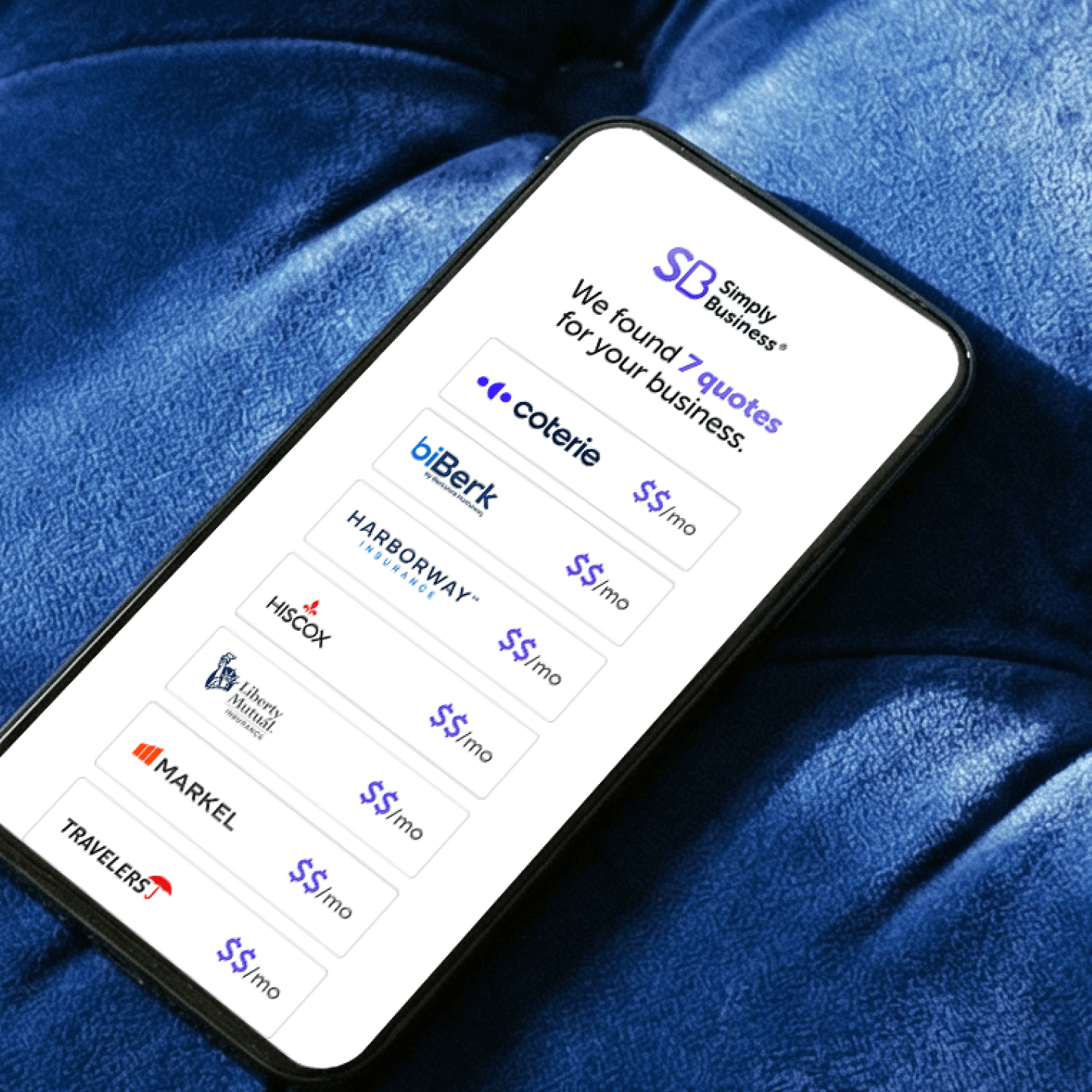
Get a quick estimate in just 3 steps.

Risk Mitigation Resources for Debris Removal Businesses
Risk mitigation is an important part of protecting your debris removal business. The Environmental Protection Agency (EPA) offers tips for pre-incident material and waste management planning to help you prevent claims before they happen. Understanding what drives your insurance premium can help you shop for the right policy.
Learn more about how to prevent accidents and liabilities at the Environmental Protection Agency’s (EPA) website. Find articles on planning activities and considerations that could help protect your debris removal business.
OSHA offers safety tips and information for your debris removal business that may help keep your premiums down. Review their website to learn more about work zone safety, heavy equipment operation, slips and falls, chemical and material storage, and use, and more.
The greater the potential for injuries, property damage, or environmental liability, the more you can generally expect to pay for insurance. Cheap debris removal insurance doesn’t always give you the coverage you need, and it can help to explore your options by getting debris removal insurance quotes.
While it’s important to stay in the loop on debris removal industry regulations, you can also learn from the real experiences of other debris removal business owners. Find real problems and potential solution options on Reddit’s Junk Removal Startup Community and similar online community forums to help you understand others’ experiences.
Frequently Asked Questions
At a minimum, junk removal and debris removal companies should consider purchasing general liability, commercial auto insurance, and in most states, workers’ compensation. While these are the basic junk hauling insurance requirements, you may also need inland marine, pollution liability, or professional liability, depending on the nature of the business.
No. While you may use your personal truck for work, your personal auto insurance policy typically excludes coverage while you are using your truck on company business. This is why it’s important to purchase commercial auto insurance.
Standard debris removal contractor insurance partially covers hazardous material cleanup. It covers the removal of hazardous debris that’s part of a damaged physical structure, but does not pay to extract pollutants or toxic materials from water or land.
The 25% limit for debris removal in commercial property removal refers to the amount the insurance company will pay for demolition and debris removal coverage, plus the policy deductibles. For example, if your building sustained $2,000,000 due to a windstorm, storm cleanup contractor insurance would pay 25% of the costs ($500,000) for debris removal, plus your deductible.
Some policies include an extra buffer of $10,000 to $25,000 in additional coverage.
Insurance companies are generally prepared to issue a COI as soon as your policy has been issued. You can usually print one from the company’s online portal or have them send one to your email address.

Why Small Businesses Choose Simply Business
Small business insurance is what we do. Whether it’s covering you for accidents and errors, meeting workers’ comp requirements, or financially protecting your business from the unexpected, we can help find the coverage you need for your business.

Start your quote
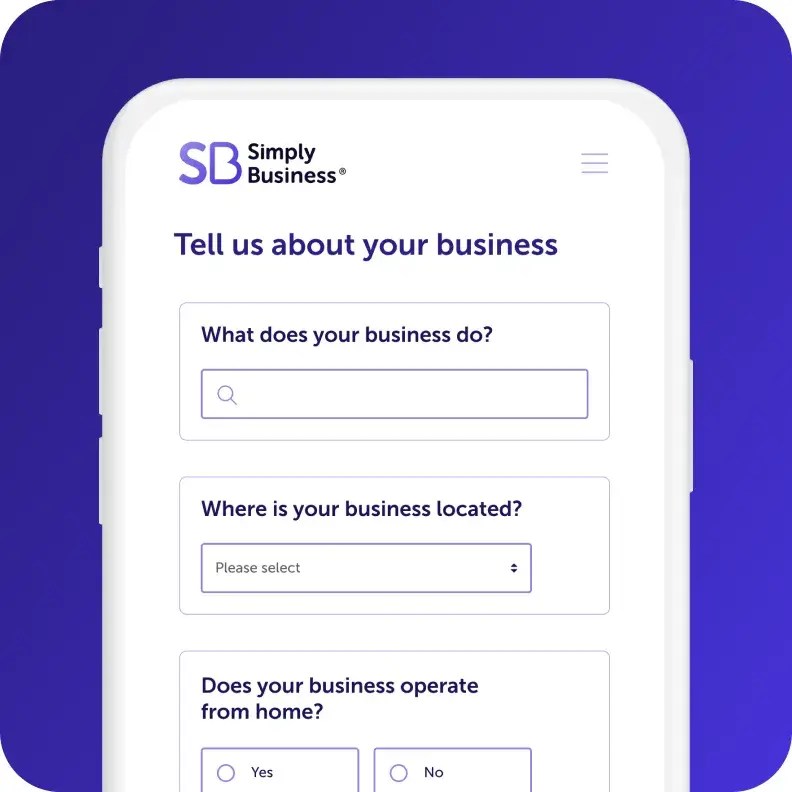
Answer a few questions about
your business in one form.

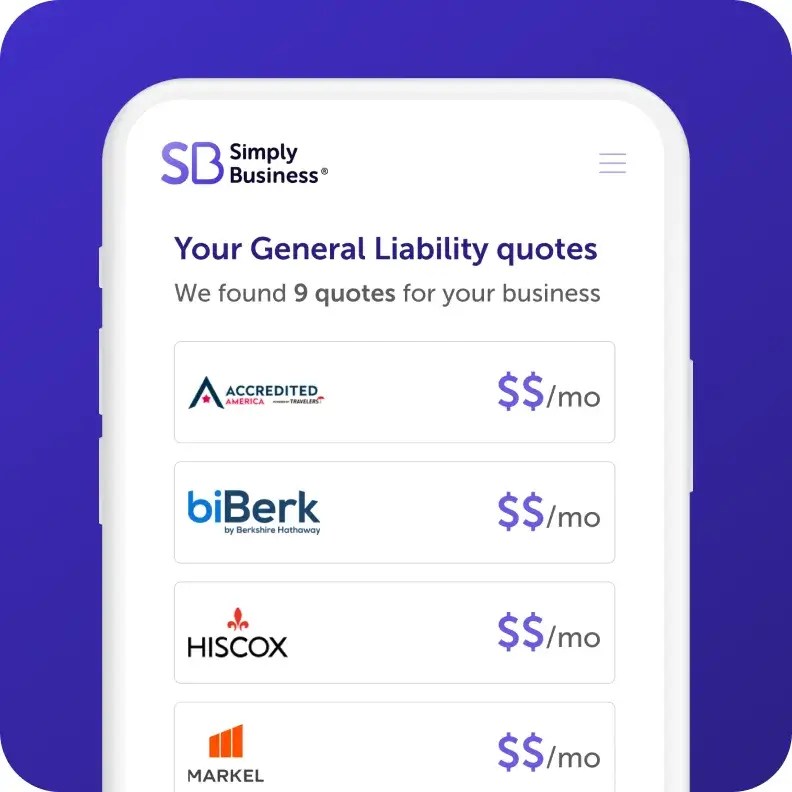
Review quotes
Compare quotes side by side from top-rated insurers and customize your coverage.

Get protected in minutes
Choose your policy, and get instant proof of insurance – all online, and all within 10 minutes.


Written by
Our +1 million customers are big fans. And you will be too.

I went online, looked around, and found Simply Business. The process was so seamless. I got my certificate within minutes. It was just phenomenal.

Karen
Owner of Tangaza Bath & Body Studio LLC
With Simply Business I know I can look at different carriers, but also see all my stuff in the same place… a lot of [insurance] providers don’t offer a variety of coverage, all in one place.

Jef
Owner of Bunker83 LLC
It wasn’t overwhelming to figure out what was covered and what wasn’t covered. And the cost was competitive.

Kim
Owner of Room to Breathe Professional Organizing
Feel confident in your choice.
We partner with a range of top-rated carriers and use smart technology to match you with policies that fit your specific business, your risks, and budget.

400+
business types covered

1M+
customers worldwide

18
top-rated carriers

We’ve Got More Helpful Information

9-minute read
A General Liability Insurance Guide for Small Business

9-minute read
10 of the Most Common Workers’ Compensation Claims

*The displayed price for each product is a monthly estimate calculated from the 10th percentile of relevant policies sold by Simply Business (e.g., General Liability data is used for General Liability estimates). This estimate uses data from relevant policy sales between July–December 2025. Final price and payment terms, which may include an initial down payment, are subject to change based on your state, selected insurance provider, and specific business details.
† Limits may vary by state and nature of your business.
‡ Displayed price is based on the lowest available coverage limit for Equipment and Small Tools policies.
Page last updated: