Expanding Your Coverage with an Additional Insured Endorsement

Small Business information you can trust.
Updated March 2026 by Ed Grasso
Insuring 1 million small businesses worldwide.
This block is configured using JavaScript. A preview is not available in the editor.
General liability is often a key part of a small business owner’s insurance coverage. It can help with claims and damages for a wide range of events, including third-party property damage and injuries, advertising injury, and faulty products.
You also can add an additional insured endorsement to your GL policy that can extend coverage to select partners, vendors, and independent contractors. We’ll explain why that can be beneficial for your business, how an additional insured endorsement works, and what types of businesses typically use one.
What is an Additional Insured Endorsement?
An additional insured endorsement is a provision that can be added to your existing general liability policy, granting coverage to another party who is not a primary policyholder. This is particularly useful when working with non-employees such as subcontractors, vendors, or business partners.
If it’s your GL policy, you are known as the “named insured,” while the other party, who receives coverage through the endorsement, is the “additional insured.”
By adding another party as an additional insured, you’re extending the protection of your policy to them. That means they can be covered from third-party risks, such as customer injuries or property damage that may arise from their work.
This simple addition to your policy can be a key part of managing risk and ensuring all parties are properly protected in a business relationship.
We are fully dedicated to small businesses.
Why You May Want to Add an Additional Insured Endorsement
If you typically work with partners or contractors, adding them as additional insureds can help financially protect your business. For instance, if an independent contractor you hired causes an accident that leads to a lawsuit, your endorsement could extend your coverage to them, preventing a claim from being made against your business directly.
Beyond the risk management advantages, these endorsements are often a requirement for securing contracts. Many clients, landlords, and partners may require being named as an additional insured to protect their own interests. And if an incident occurs, having both parties covered by the same policy can simplify the claims process and reduce potential disputes.
How Does an Additional Insured Endorsement Work with Your General Liability Policy?
As mentioned above, an additional insured endorsement extends your GL coverage to another person or company. To add an additional insured to your policy, you’ll typically need to contact your insurance provider. With Simply Business, an additional insured can be added by logging into your account.
- Sign in to your account.
- Click on the “Get a certificate of insurance” button.
- Click through and fill in the requested information.
You can also speak on the phone with one of our licensed agents who can help you.
Adding an additional insured to your policy can affect your premium. Our agents can help you understand the exact terms and scope of coverage for your specific endorsement.
We cover 400+ types of businesses. Including yours.

Handyperson From $41.67/month*

E-commerce & online retailers From $21.58/month*

Restaurant From $60.80/month*

Cleaning servicesFrom $20.83/month*

Lawn care services From $29.17/month*

Beauty & cosmetology From $20.83/month*


Who May Need to Consider an Additional Insured?
You may want to consider adding an additional insured to your general liability (GL) policy when you have a business relationship with another party and they could be sued as a result of your actions.
Here are some examples:
Project Owners/Clients: They may want financial protection if a contractor’s work leads to a bodily injury or property damage claim.
General Contractors: They may require subcontractors to add them as an additional insured. This protects them from claims that come from the subcontractor’s work.
Landlords/Building Owners: They may ask their tenants to name them as an additional insured on the tenant’s policy. This covers them for incidents that happen on their property.
Event Sponsors: A company sponsoring an event may require the event organizer to add them as an additional insured.
How Much is General Liability Insurance?
Get a quick estimate in just 3 steps.


The Simply Business Difference
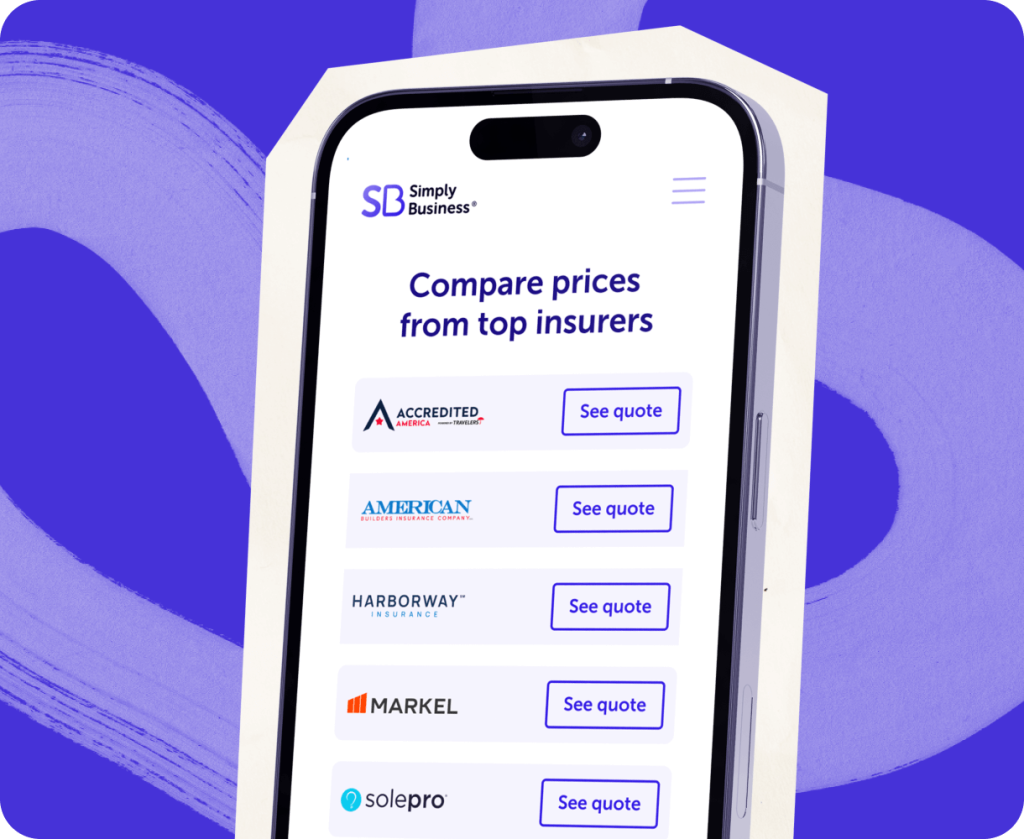
Simply Business is a digital insurance brokerage. That means we’re not tied to one insurer. Instead, we partner with a range of top-rated carriers and use smart technology to match you up with policies that fit your specific business, your risks, and budget.
Maybe you’re just starting out and want solid protection without overspending. Or maybe you’re growing fast and need coverage that can grow with you. Either way, we’re here to help — with a choice of affordable policies and small business expertise to help you get the coverage you need.
Small business insurance made simple.

Search
Answer a few questions and get coverage recommendations for your business.

Compare
View custom quotes from top-rated small business insurers.

Save
Choose your policy, many with up to 20% savings.**
Trusted by over 1 million small businesses worldwide.
This block is configured using JavaScript. A preview is not available in the editor.
We’ve Got More Helpful Information About General Liability Insurance

Highly rated insurers. Handpicked for small businesses.















Highly rated insurers, handpicked for small businesses.

*The displayed price for each product is a monthly estimate calculated from the 10th percentile of relevant policies sold by Simply Business (e.g., General Liability data is used for General Liability estimates). This estimate uses data from relevant policy sales between July–December 2025. Final price and payment terms, which may include an initial down payment, are subject to change based on your state, selected insurance provider, and specific business details.
**Actual savings may vary based on the nature of your business, its location, and insurance provider appetite. Savings percentage is calculated using the average price difference of quotes from the Simply Business panel of insurance providers.