Plumbers insurance
Plumbers insurance
One application, multiple quotes.
All in one place.
Essential Protection
From
$41.67
/month*
Could help cover claims against your business for property damage and injuries to others.
What’s included:
General Liability
Coverage limits: $1M to $2M†

Get multiple quotes in less than 10 mins
Essential Protection
From
$41.67
/month*
Could help cover claims against your business for property damage and injuries to others.
What’s included:
General Liability
Coverage limits: $1M to $2M†
Get multiple quotes in less than 10 mins
Would you rather pick and choose your coverage? Explore all options
Over 1 million customers worldwide.



Buy instantly online.
Why Does a Plumber Need Insurance?
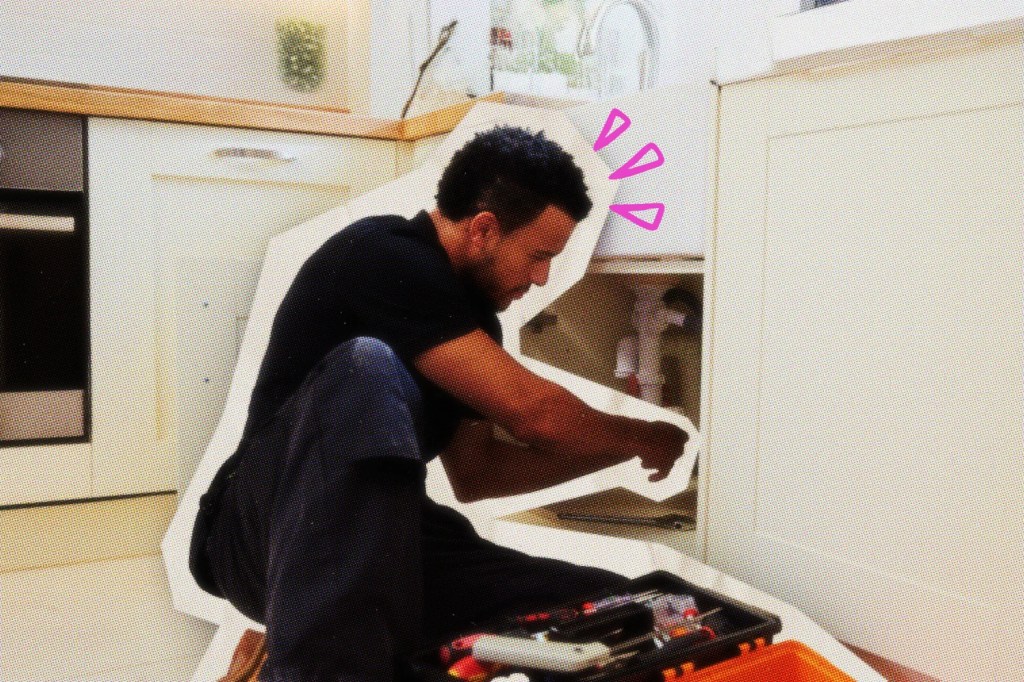
As a plumber, you keep homes and businesses running smoothly. Plumbers insurance works the same way — helping protect your livelihood from accidents, stolen tools, or jobsite injuries.
What Type of Plumbers Insurance Do I Need?

General Liability Insurance
From
$41.67
/month*
A foundational insurance coverage to help handle costs from third-party accidents, property damage, and bodily injury.

Business Owner’s Policy (BOP)
From
$33.75
/month*
General liability, property insurance, and more all in one convenient package.

Contractor’s Equipment and Small Tools Insurance
From
$20.83
/month†
Also known as inland marine insurance, this coverage can financially protect equipment and inventory that’s in transport or stored offsite.

Workers’ Comp Insurance
From
$38.91
/month‡
Coverage to help take care of employees who get sick or injured on the job. Most states require this coverage for small businesses with full- or part-time employees. It also can benefit business owners who don’t have employees.
Business insurance —
a one-minute explanation
Learn more about policies for small businesses, what they cover, why you might need them, and how we can help — all in just 60 seconds.
What Does Plumbers Insurance Cover?
Without the right insurance, one unexpected mishap can drain your profits. Here’s how plumbers insurance can help protect you from these common risks:

Damage to someone else’s property
You’re replacing a kitchen faucet when an old shut-off valve fails, and water soaks an expensive rug before you can isolate the line. The homeowner asks you to cover the damage. Whether or not you think you’re responsible for the damage, a general liability policy could help cover those types of third-party claims.

Protection for your business property
After a weekend storm, you find several inches of water on the storage area floor — damaging pipe threaders, fittings, and key paperwork. A business owner’s policy (BOP) bundles general liability, commercial property protection, and business interruption coverage to help pay for cleanup, equipment replacement, and lost income — so you can get back quickly to serving clients.
Many plumbers choose a BOP because it offers more protection than a stand-alone general liability policy without usually costing much more — a great option if you’re established or planning to grow.

Care for sick or injured employees
One of your plumbers strains their back while carrying a new water heater down a set of narrow stairs. Workers’ compensation insurance can help to cover their medical bills and provide wage replacement as they recover.
Having workers’ comp insurance is often legally required and can protect your business from costly claims, as well as taking care of your crew if they get sick or injured on the job. Even if you operate solo, we recommend workers’ comp, because many health insurance policies won’t cover work-related injuries.

Damaged or stolen equipment
You stop for lunch between service calls and come back to find your van has been broken into — your press tool, pipe threader, and copper fittings are gone. Contractor’s equipment and small tools insurance, also known as inland marine insurance, can help pay to replace or repair your stolen or damaged equipment, whether it’s on the move or at a jobsite.
Honest mistakes and negligence claims
Even the most skilled plumbers can face disputes over completed work. Say you install a new shower system, but a small leak behind the wall goes unnoticed and causes hidden water damage over time. Adding a contractor’s errors and omissions endorsement to your general liability policy could help cover repair costs and protect you against a negligence claim.
Peace of mind for your customers
You’ve been awarded a contract for a multi-unit plumbing installation, but the property owner requests proof the job will be finished as promised. That’s where a surety bond comes in. It’s a financial guarantee that protects your client if you can’t meet your contractual obligations. If the job isn’t finished or doesn’t meet agreed-upon standards, the bond can compensate the customer for their losses.

How Much Is Plumbers Insurance?
Try our plumbers insurance calculator
Get a quick estimate in just 3 steps.

Answers to More Plumbers Insurance Coverage Questions
Feel confident in your choice.
We partner with a range of top-rated carriers and use smart technology to match you with policies that fit your specific business, your risks, and budget.
400+
business types covered
4.6/5
customer rating on Trustpilot
1M+
customers worldwide
18
top-rated small business
insurance providers











More Helpful Information for Plumbers


*The displayed price for each product is a monthly estimate calculated from the 10th percentile of relevant policies sold by Simply Business (e.g., General Liability data is used for General Liability estimates). This estimate uses data from relevant policy sales between January–June 2025. Final price and payment terms, which may include an initial down payment, are subject to change based on your state, selected insurance provider, and specific business details.
† Limits may vary by state and nature of your business.
‡ Displayed price is based on the lowest available coverage limit for Equipment and Small Tools policies.